
How The Row Redefined American Minimalism in Fashion
Seldom running ads and avoiding celebrity gifting stunts, the brand still occupies a peculiar position in fashion — it is one of the most talked-about labels of the past twenty years, its standing founded almost entirely on word of mouth and returning shoppers. Started by Mary-Kate and Ashley Olsen in 2006, the company took shape from a plain frustration — the struggle to find a plain, well-made t-shirt that really fit and endured. That founding narrative matters, since it accounts for everything that came next: painstaking attention to shape, cloth substance, and construction detail, with little concern for seasonal fanfare or logo branding.
What sets apart The Row aesthetic apart isn’t minimalism treated as a passing style but minimalism as a production ethos. In small Italian ateliers, garments are often crafted through a cutting process requiring countless revisions before a single silhouette is approved. A blazer might go through 50 fit sessions. That amounts to deliberate, unhurried craftsmanship in its purest form, and it’s why its pricing sits at the very top of the contemporary-to-luxury bracket. Deceptively simple in appearance, the clothing and accessories embed a level of construction that most shoppers only notice once they’ve owned the piece for a year.
The Ascent of The Row Bags Became Status Objects
Even as the clothing built the brand’s standing among stylists and editors, the bags are what transformed The Row into a mass-appeal fixation, above all from 2020 onward. Somewhere between quiet luxury and cult obsession is where The Row’s bags reside — instantly recognizable to insiders, nearly invisible to everyone else. There’s no monogram, no hardware shouting the brand name, just clean leather, structured shapes, and proportions that read as expensive without trying to prove it.
The Margaux is the piece most responsible for this shift. Named after Margaux Hemingway, it launched with a boxy, open-top silhouette and a slouchy leather body that looked equally at home on a stylist’s arm at fashion week or tucked under a laptop bag on a commute. Its popularity created genuine scarcity — waitlists at Bergdorf Goodman and Net-a-Porter stretched for months during peak demand years. Anyone searching for where to buy The Row Margaux bag quickly learns that availability fluctuates constantly, with limited restocks appearing at a buy online handful of authorized retailers rather than flooding the market.
Sofia, the Wander, and the moon-curved styles finished off the range, each interpreting the same guiding principle: minimal branding, elevated material quality, and shapes that don’t get swept up in trend cycles. Such continuity is a key factor in why the resale market for The Row handbags has remained strong — worth erodes at a slower pace than with most premium bag houses, because appeal doesn’t fade the moment a new “it” bag appears elsewhere.
Best Row Bags: A Clear-Eyed Guide
For shoppers working through the current lineup, a row bags overview helps clarify which shapes serve which purpose. The brand’s handbag range spans rigid top-handle styles, slouchy shoulder totes, and clutch designs, and prices generally stretch from the low thousands into five-figure territory according to leather type, size, and hardware finish. Here is a comparison of some of the most sought-after styles to give a better picture of how they differ in use case.
| Style | Shape | Suited To | Notable Trait |
|---|---|---|---|
| Margaux | Boxy, open-top tote | Everyday use, office | Soft slouch, iconic standing |
| Sofia | Structured top-handle | Formal outings, evening use | Small, sculptural form |
| Wander | Relaxed shoulder bag | Trips and daily errands | Light, pliable construction |
| The Row’s Tote Bag | Large, open carry | Work and weekend use | High capacity, minimal hardware |
The tote style warrants its own callout because it serves essentially as the brand’s reliable staple — more spacious, more casual than the Margaux, and made for people who need to carry a laptop, files, or gym clothes without sacrificing the label’s low-key aesthetic. It’s often the starting place for shoppers crossing over from ready-to-wear into The Row’s accessories world, since totes tend to be easier to live with in terms of regular wear compared to structured top-handles.
When people ask which are the strongest picks for long-term value, the real answer depends on how you live rather than trends. The Margaux holds resale value impressively well due to ongoing popularity, but it’s a roomy, relaxed silhouette that doesn’t suit formal dressing. The Sofia, by contrast, is a stronger fit for evening wear but sees less daily wear, which can make its per-wear value higher for most owners.
A Guide to Row Sale Patterns and Where Savvy Shoppers Look
Because The Row seldom reduces prices through its own channels, an actual discount period is a truly rare event, and shoppers hunting for one need to understand where markdowns really show up. The brand keeps tight control over pricing to preserve its position as a luxury house, which means substantial discounts are almost never found on therow.com itself. Instead, sales activity tends to appear through multi-brand retailers during their seasonal markdown windows — think seasonal price cuts at luxury department stores or off-price platforms that receive limited consignment stock.
When it comes to finding marked-down The Row handbags, it’s The RealReal, Vestiaire Collective, and Fashionphile that have emerged as the surest resource, especially for past-season colors or retired styles dropped from the main collection. Pricing on these platforms varies based on wear level, hardware finish, and leather grade, but well-maintained pieces from recent years routinely trade at 20-40% below original retail, which is considerably better value preservation than most contemporary handbag brands manage.
Factory outlets have no place in The Row’s distribution model, which separates it from plenty of other luxury brands that silently clear overstock through discount outposts. That gap heightens exclusivity and helps explain why the resale channel has become such an active secondary market. Shoppers who are patient and prepared to track these platforms consistently tend to find better opportunities than those holding out for an official discount that could remain permanently out of reach.
The Row Fashion Beyond Bags: Clothing and Accessory Lines
It would be an oversight to discuss The Row purely through its handbags, since the brand’s apparel remains the bedrock of what it represents. Tailoring forms the ground on which the brand’s reputation was built, and pieces like wide-leg trousers, unstructured blazers, and cashmere knitwear still ground each collection. Textile selection draws chiefly from Italian mills, with an emphasis on natural fibers — silk, wool, cashmere, and leather — instead of man-made mixes, which drives both the price point and the lasting quality customers report.
Shoes have steadily become a further pillar of the brand, with minimalist flats, loafers, and boots that mirror the same quiet design discipline found in the bags. The brand steers clear of seasonal footwear trends as so many other brands do; instead, styles get incremental updates season after season, so a pair bought in 2022 doesn’t feel outdated in 2026. This continuity is one reason for customers who want to assemble a lasting wardrobe rather than swapping it out yearly.
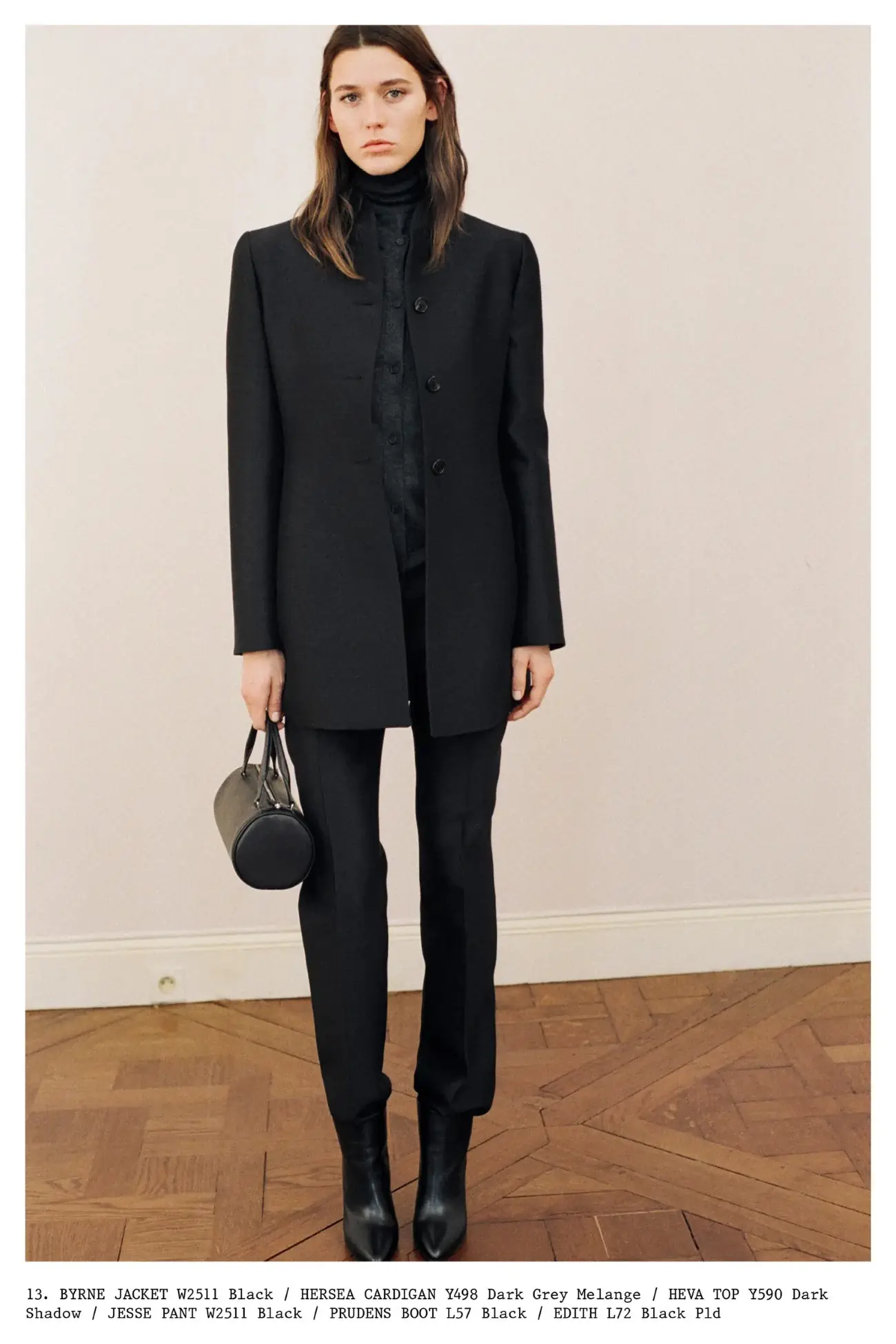
Sunglasses and small leather goods complete the accessories offering, often serving as a budget-friendlier gateway into the brand for shoppers not yet prepared to spend on a full handbag. These compact pieces tend to disappear from shelves rapidly as well, especially limited colorways, reinforcing the broader pattern across The Row’s business: restrained output paired with sustained demand.
Why The Row’s Approach Still Works in 2026
Close to twenty years since it began, The Row still holds its place as one of the few luxury labels that has not diluted its identity running after fleeting internet buzz. There’s no lineup of hyped-up collabs, no constant logo merchandise, and no urge to saturate the market with new bag shapes each season. Such discipline has become the brand’s actual competitive advantage in a market flooded by fast turnover and influencer-driven collections.
Fewer releases, a bigger commitment to fabric quality, and a following that values discretion over recognition — that’s the fairly simple equation behind making sense of this label for anyone assembling a deliberate wardrobe or handbag collection in 2026. Start with a tote, a Margaux, or a single cashmere sweater — either way, the same core idea holds — excellence that’s evident on its own terms, with nothing loud about it.

Leave A Comment